
On-site check first
Treatment is offered only after the shingles pass an in-person check.
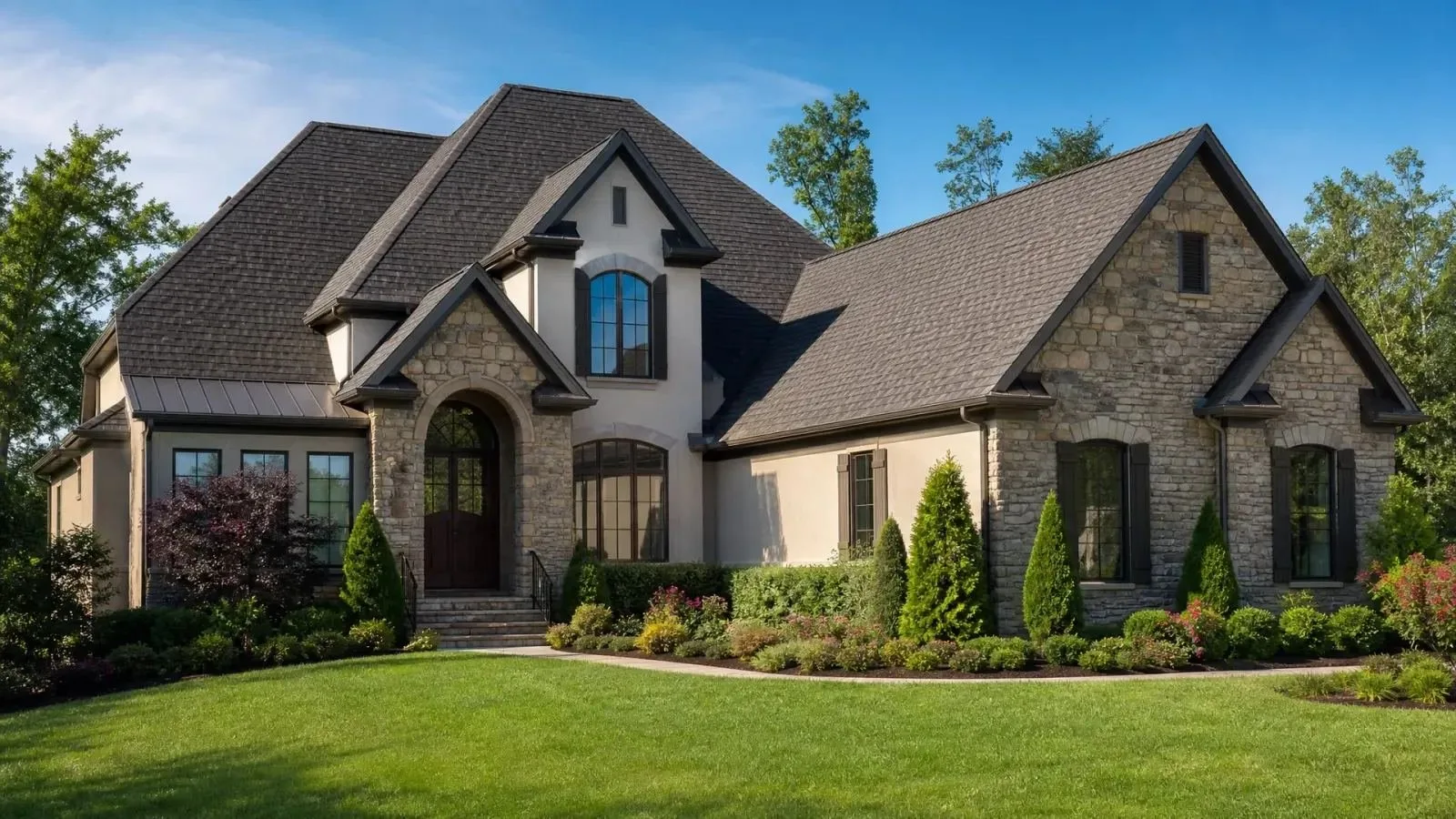
Rejuvenation is a surface treatment, not a miracle. It fits a narrow set of roofs, and we would rather tell you no than sell it to the wrong one.
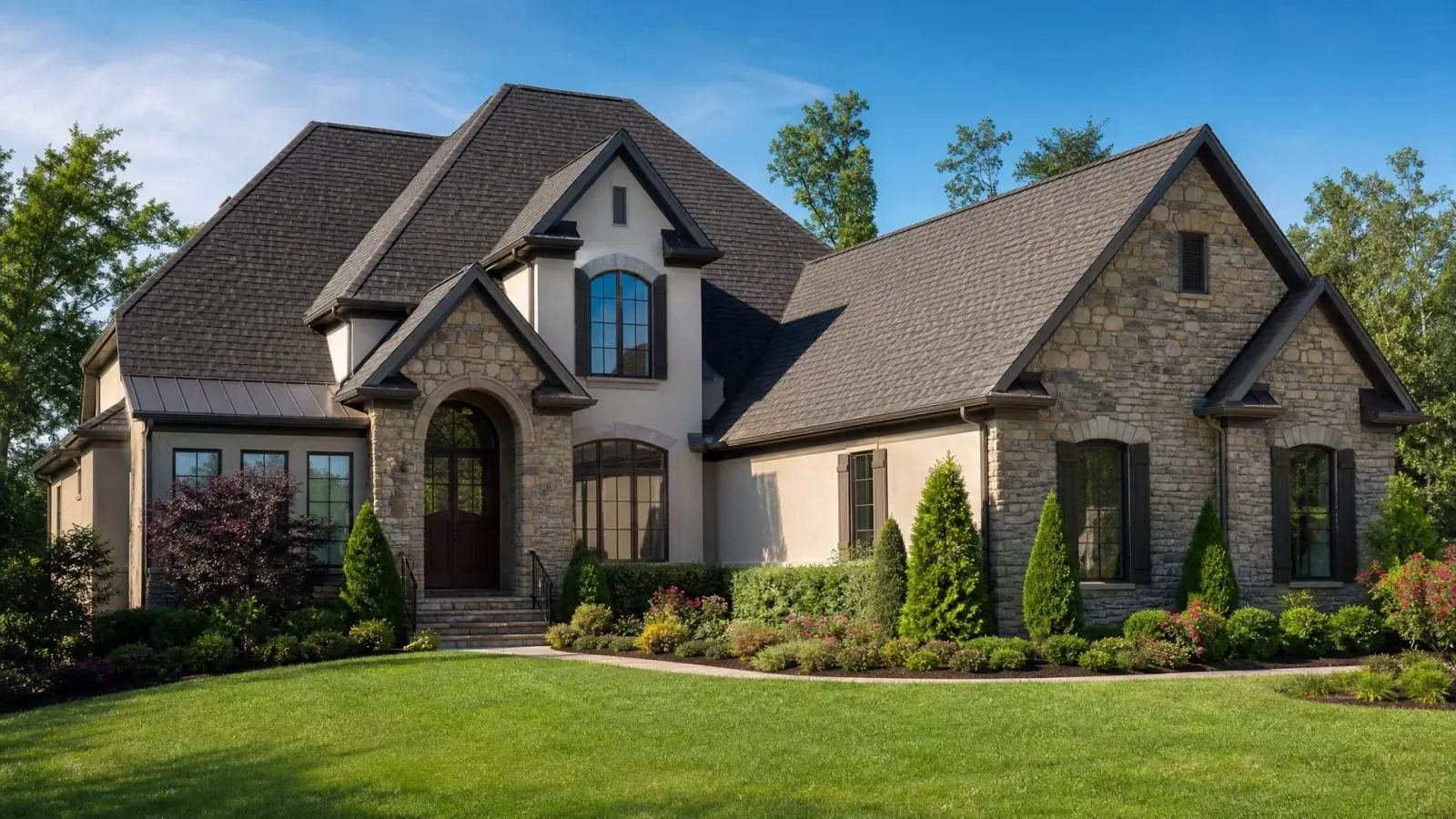
Asphalt shingles slowly lose the oils that keep them flexible. A rejuvenation product is meant to restore some of that surface flexibility on shingles that are dry but still intact. It does not repair leaks, replace missing granules, fix rotted decking, or turn a failing roof into a new one.
The test comes first. We check a few shingles by hand in sun-exposed areas, check for cracking, curling, and granule loss, and look at the condition of flashing and sealant strips. If shingles snap, crumble, or show widespread cracking, the roof is past the point where treatment helps, and we say so.
Davidson's mix of shade and sun matters. A roof under heavy tree cover may carry moss and algae that must be cleaned before any treatment can bond. A sun-baked south slope may qualify while a damp north slope does not, and the recommendation can differ by slope.
Leaks are repaired before any treatment goes on. Applying product over an active leak only hides the problem for a while.
Roofing Davidson schedules the inspection and the work. Kaliber Roofing crews prepare the surface, apply the treatment where it fits, and note the curing instructions for you.
It tends to make sense for homeowners with a roof that is sound but aging and who want to delay a full replacement, or for a roof that looks tired before a sale.
It does not make sense on roofs with active leaks, soft decking, widespread curling, or missing shingles. In those cases, repair or replacement is the honest route.
The written recommendation explains your options so you can compare treatment against waiting, repair, or replacement.
Cost and value come into it as well, though we do not quote prices online. Treatment is generally less invasive than replacement, so it is worth asking about when the roof is truly sound. When it is not, replacement is the better investment.
Curing time and weather matter. Treatment needs dry conditions, and you will get instructions about sprinklers, foot traffic, and gutters for the period afterward.
Over time, a treated roof still needs inspection. Rejuvenation does not remove the need to check flashing, boots, and valleys on a regular schedule.
Many homeowners ask whether rejuvenation affects shingle appearance or any manufacturer paperwork. We cannot speak for every manufacturer, so it is worth checking any documents you have, and we will explain what the product does and does not change.
A few roofs are better served by cleaning alone. If the shingles are in good shape and stained rather than dried out, cleaning may be the only service needed.
If you plan to sell in the next few years, mention it. The right choice for a seller who wants a tidy roof can differ from the right choice for an owner planning to stay for decades.
Ask for the recommendation in writing. It should say which slopes were tested, what the shingles showed during the on-site check, and what we propose for each section, so you can compare it with any other opinion you collect.
Treatment is offered only after the shingles pass an in-person check.
Active leaks are repaired before any product goes on.
If the roof does not qualify, we say so and describe the better path.
No. It may help the surface of sound shingles, but it cannot repair leaks, rot, or severe wear.
Algae, moss, and debris keep treatment from bonding to the shingle surface, so cleaning is part of the preparation.
Yes. Slopes age differently, and we may recommend treatment on one and repair on another.